Playgroundopen Ai Adventures

- 1.
What Exactly Is This Playgroundopen Ai Thing, Anyway?
- 2.
Who’s Pulling the Strings Behind OpenAI—and Does That Include Elon?
- 3.
Is Playgroundopen Ai Free to Use, or Do I Need a Gold-Plated Credit Card?
- 4.
Why the Heck Is Everyone Obsessed With Playgroundopen Ai Right Now?
- 5.
How Does Playgroundopen Ai Stack Up Against Other AI Sandboxes?
- 6.
Can You Actually Make Money Using Playgroundopen Ai?
- 7.
What Are the Ethical Landmines Lurking in Playgroundopen Ai?
- 8.
How Do I Get Started Without Looking Like a Total Newbie?
- 9.
What’s Next for Playgroundopen Ai—and Should I Care?
- 10.
Where Can I Dive Deeper Into the Playgroundopen Ai Universe?
Table of Contents
playgroundopen ai
What Exactly Is This Playgroundopen Ai Thing, Anyway?
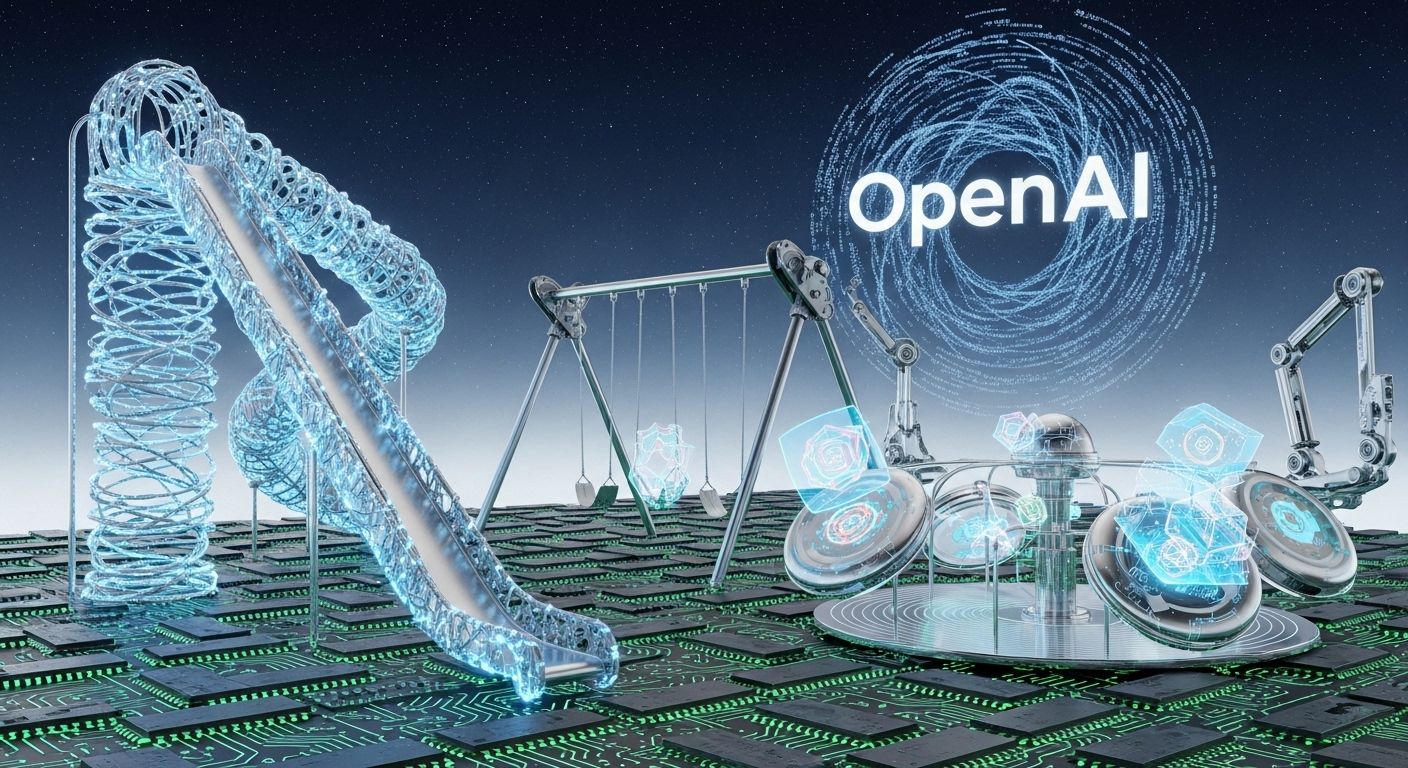
Ever scrolled through your feed and stumbled upon some wild-ass AI-generated art or a poem that sounds like it was written by a caffeinated Shakespeare on Mars? Chances are, you’ve brushed shoulders with playgroundopen ai. But hold up—what the heck *is* playgroundopen ai, really? Well, folks, think of it as the sandbox where OpenAI lets curious minds mess around with language models without needing a PhD in quantum computing. It’s not just a tool; it’s a whole damn playground—hence the name. And yeah, it’s got that lowercase aesthetic vibe ‘cause, y’know, tech bros love their minimalism. The playgroundopen ai interface lets users tweak prompts, adjust parameters, and basically play god with words. Whether you’re drafting a love letter to your cat or prototyping a sci-fi novel set in Nebraska, playgroundopen ai is your digital co-pilot.
Who’s Pulling the Strings Behind OpenAI—and Does That Include Elon?
Alright, let’s get into the tea. Everyone’s wondering: “Did Elon leave OpenAI?” Short answer? Yeah, he did—and it wasn’t exactly a quiet exit. Back in the day, Elon Musk was one of the co-founders, but he bounced outta there in 2018, citing concerns over direction and safety. Fast forward to today, and OpenAI’s ownership structure’s got more layers than a damn onion. Here’s the kicker: **Microsoft owns 49% of OpenAI** through a multi-billion-dollar investment deal. Yep, you read that right—almost half of playgroundopen ai’s parent company is backed by Big Redmond. But don’t go thinking Microsoft runs the show entirely. OpenAI operates under a “capped-profit” model, meaning its non-profit arm still holds ultimate control. So while Bill Gates’ old stomping grounds writes the checks, the nerds in the lab keep the ethical compass spinning. As for Elon? He’s busy launching rockets and tweeting about Dogecoin—definitely not coding in the playgroundopen ai backend.
Is Playgroundopen Ai Free to Use, or Do I Need a Gold-Plated Credit Card?
“Is OpenAI AI free?”—asked every broke college student ever. Good news: yes… and no. The playgroundopen ai platform offers a **free tier**, which is perfect if you’re just poking around or testing basic prompts. You get limited access to models like GPT-3.5, enough to write a decent breakup text or generate a fake horoscope for your ex. But if you wanna unlock the big guns—like GPT-4 Turbo or custom fine-tuning—you’ll need to slap down some cold hard cash. Pricing starts around $20/month for Pro plans, scaling up depending on usage. For heavy users, API calls cost fractions of a cent per token, but those add up faster than your Uber Eats bill after a breakup. So yeah, playgroundopen ai won’t bankrupt you if you’re casual—but go full creative director, and you might wanna check your bank balance twice.
Why the Heck Is Everyone Obsessed With Playgroundopen Ai Right Now?
Let’s be real: playgroundopen ai isn’t just another techie toy—it’s become cultural oxygen. From indie musicians generating lyrics to marketers A/B testing ad copy, this thing’s everywhere. Part of its charm? It’s stupidly accessible. You don’t need to code; you just type what you want, hit enter, and boom—AI spits out something usable (or hilariously unhinged). Plus, with the rise of multimodal models, playgroundopen ai now handles images, audio, and even structured data. Remember when AI felt like magic? Now it’s Tuesday. And honestly? That’s why people can’t stop yapping about it. It’s not just powerful—it’s *personal*. You can make it sound like your grandma, your therapist, or a pirate who quotes Nietzsche. That’s the juice.
How Does Playgroundopen Ai Stack Up Against Other AI Sandboxes?
Not all AI playgrounds are created equal, y’all. While Google’s Vertex AI and Anthropic’s Console offer robust tools, playgroundopen ai wins on simplicity and community buzz. Its UI is clean, intuitive, and—dare we say—*fun*. Other platforms feel like flying a Boeing; playgroundopen ai feels like riding a skateboard downhill with no hands. Plus, OpenAI’s documentation slaps. Their examples? Chef’s kiss. Want to build a chatbot that roasts your friends? There’s a template. Need a script for a noir detective voiced by a raccoon? Done. Competitors might have deeper enterprise features, but for creatives, students, and weekend tinkerers? Playgroundopen ai is the people’s champ.
Can You Actually Make Money Using Playgroundopen Ai?
Absolutely—and people already are. Freelancers use playgroundopen ai to draft client emails, generate SEO blog outlines, or even write entire e-books sold on Amazon for $4.99. Indie devs bake it into apps for personalized coaching or journaling. One Reddit user claimed they made $3K/month reselling AI-generated wedding vows (bless their capitalist heart). Of course, you can’t just copy-paste and call it a day—Google’s gotten smart about detecting AI fluff. But with a little human polish? Playgroundopen ai becomes your 24/7 intern who never sleeps, complains, or asks for raises. Just remember: it’s a tool, not a replacement. Your brain’s still the MVP.
What Are the Ethical Landmines Lurking in Playgroundopen Ai?
Look, nothing’s perfect—even a shiny AI sandbox. Critics point out that playgroundopen ai can hallucinate facts, regurgitate biased content, or accidentally help someone write a phishing email. OpenAI’s tried to curb misuse with content filters and usage policies, but determined bad actors? They’ll find a way. There’s also the whole “who owns the output?” debate. Technically, you do—but if your prompt was trained on copyrighted material (which it probably was), things get murky. And let’s not forget the environmental cost: running these models guzzles electricity like a Texas BBQ burns brisket. So yeah, while playgroundopen ai is revolutionary, it ain’t innocent. Use it wisely, folks.
How Do I Get Started Without Looking Like a Total Newbie?
First off, breathe. Everyone starts somewhere—even Elon (okay, maybe not him). Head to platform.openai.com, sign up with your email, and bam—you’re in. The dashboard’s dead simple: left side for your prompt, right side for the AI’s response. Try typing something like, “Write a haiku about coffee addiction in Brooklyn slang.” Hit submit, and watch the magic. Pro tip: play with the “temperature” slider. Low = predictable, high = chaotic genius. Also, save your favorite prompts—they’re called “gists,” and they’ll save your ass later. Within 10 minutes, you’ll be crafting playgroundopen ai prompts like you were born in Silicon Valley. Probably.
What’s Next for Playgroundopen Ai—and Should I Care?
Oh, honey, you *should* care. Rumor has it OpenAI’s cooking up real-time collaboration features, voice integration, and even AR prompt visualization. Imagine whispering a poem idea into your AirPods and watching it render in 3D space. Wild, right? They’re also pushing “agents”—autonomous mini-AIs that can perform tasks like booking flights or analyzing spreadsheets without step-by-step prompting. The future of playgroundopen ai isn’t just text; it’s ambient intelligence woven into your daily grind. So yeah, keep an eye on this space. What’s a toy today could be your boss tomorrow.
Where Can I Dive Deeper Into the Playgroundopen Ai Universe?
If you’re hungry for more than just tinkering, you’ve got options. Start with the official docs—they’re surprisingly readable. Then, join communities on Discord or Reddit where folks swap prompt hacks and debug nightmares. And hey, don’t sleep on our own corner of the web. For starters, swing by Chat Memo to catch the latest buzz. Wanna browse by interest? Hit up the Explore section. And if you’re into AI-made visual art, peep this gem: Open AI Artwork Masterpieces. Trust us—your inner digital artist will thank you. All roads lead back to playgroundopen ai, one way or another.
Frequently Asked Questions
Who owns 49% of OpenAI?
Microsoft owns 49% of OpenAI through a strategic investment partnership. This stake gives them significant influence, though OpenAI’s non-profit board retains governance control over key decisions related to the playgroundopen ai platform and its underlying models.
Is OpenAI AI free?
Yes and no. The playgroundopen ai interface offers a free tier with access to older models like GPT-3.5, but advanced features, higher usage limits, and newer models like GPT-4 require a paid subscription starting at around $20/month.
Did Elon left OpenAI?
Yes, Elon Musk left OpenAI’s board in 2018 and has had no formal involvement since. While he was a co-founder, he parted ways due to disagreements over the company’s direction. Today, he has zero operational or ownership stake in playgroundopen ai or its parent organization.
What if I invested $10,000 in Tesla 5 years ago?
If you’d invested $10,000 in Tesla stock five years ago (around early 2021), you’d be sitting on roughly $18,000–$22,000 today, depending on market fluctuations. While that’s solid growth, it’s worth noting this question is unrelated to playgroundopen ai—but hey, we know you’re curious!
References
- https://www.reuters.com/technology/microsoft-invests-billions-openai-deal-2023-01-23/
- https://openai.com/blog/openai-capped-profit-model
- https://techcrunch.com/2024/02/15/openai-playground-features-updates/
- https://www.theverge.com/2023/11/8/23950871/elon-musk-openai-lawsuit-relationship